Montezuma Psychology
Equine-Assisted Therapy
Using the EAGALA model, equine-assisted psychotherapy can help you build emotional awareness, confidence, and resilience while working towards meaningful personal growth. Get started by using the button below.
Benefits Of Equine-Assisted Therapy
Getting equine-assisted psychotherapy with the EAGALA model has a number of benefits. It offers a unique and effective approach to therapy and personal growth. Through equine-assisted psychotherapy, this model provides a range of benefits that address emotional, psychological, physical, sensory, social, and interpersonal aspects of individuals.
Emotional & Psychological
Equine-assisted therapy helps individuals explore emotions, build self-awareness, and develop healthier coping strategies in a calm and supportive environment.
Physical & Sensory
Working with horses encourages grounding, mindfulness, and greater awareness of the connection between body, emotions, and surroundings.
Social & Interpersonal
Sessions can help strengthen communication, trust, confidence, and relationship skills through meaningful interactions with horses.
How Can Equine-Assisted Therapy Help You?
Equine-Assisted Psychotherapy (EAP) is a powerful therapeutic approach that harnesses the unique connection between humans and horses to promote emotional healing and personal growth. In this section, we will provide an overview of Equine-Assisted Psychotherapy and explore how it works.
Equine-Assisted Psychotherapy involves incorporating horses into the therapeutic process to address a wide range of mental health and emotional issues. It is a collaborative effort between mental health professionals, equine specialists, and the horses themselves. The goal of EAP is to facilitate personal insight, emotional growth, and positive behavioral changes in individuals through their interactions with horses in a controlled environment.
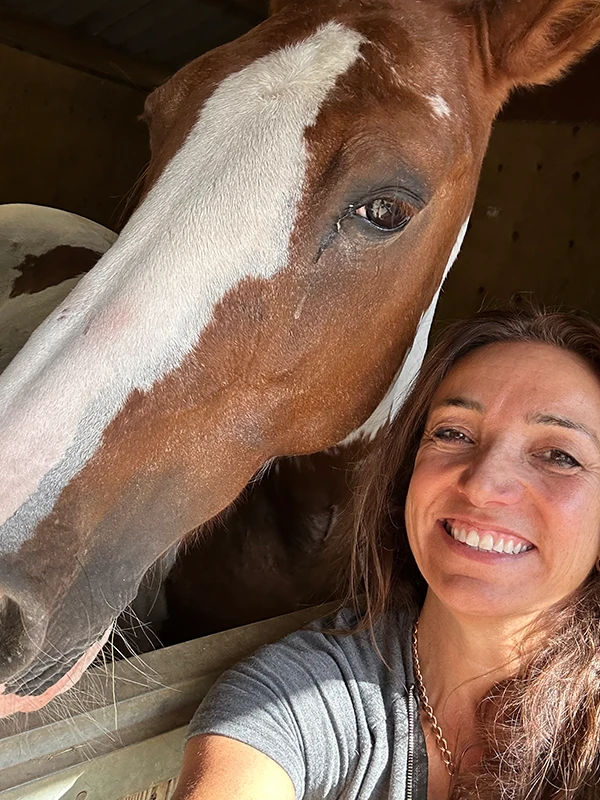
Unlike traditional therapy settings, EAP takes place in an outdoor or equine-centered environment, such as a barn or an arena. Horses are chosen as partners in therapy due to their inherent ability to sense and respond to human emotions and nonverbal cues. They provide valuable feedback and mirror the emotions and behaviors of the participants, which can help them gain insight into their own thoughts and emotions.
How Does Equine-Assisted Psychotherapy Work?
Below, we’ve outlined the core steps to how equine-assisted psychotherapy actually works.
Guided Therapeutic Activities With Horses
Equine-Assisted Psychotherapy sessions typically involve a combination of activities and interactions with the horses. These activities are carefully designed to address specific therapeutic goals and cater to the unique needs of each individual. Participants engage in tasks such as grooming, leading, and obstacle courses, all under the guidance and supervision of the mental health professional and equine specialist.
Building Emotional Awareness Through Connection
The focus of EAP is not on horseback riding or horsemanship skills, but rather on the therapeutic relationship that develops between the participant and the horse. Through these interactions, individuals have the opportunity to explore and process their emotions, develop coping strategies, and learn valuable life skills.
A Safe, Non-Judgmental Space For Healing
The horses in Equine-Assisted Psychotherapy act as non-judgmental and unbiased partners, allowing participants to feel safe and supported as they navigate their personal challenges. The experience of working with horses can be transformative, as it provides a unique and powerful metaphor for the challenges individuals face in their daily lives.
Supporting Recovery Across A Range Of Challenges
Equine-Assisted Psychotherapy has been shown to be effective in a variety of therapeutic settings, including treatment for trauma, addiction, anxiety, depression, and behavioral issues. Its experiential nature allows participants to engage holistically, incorporating their mind, body, and emotions into the therapeutic process.
Harnessing The Human-Horse Connection For Lasting Growth
By integrating the power of the human-horse connection, Equine-Assisted Psychotherapy offers a unique and effective approach to healing and personal growth. The EAGALA Model, which incorporates the principles of EAP, provides a structured framework for practitioners to deliver high-quality and ethical Equine-Assisted Psychotherapy sessions.
Experience Equine-Assisted Therapy Yourself
Interested in giving EAP a try yourself? We’d love to show you what it’s like. To book your first session, use the button below.
Introduction to the EAGALA Model
The EAGALA Model, which stands for Equine Assisted Growth and Learning Association, is an innovative therapeutic approach that combines horses, mental health professionals, and equine specialists to facilitate personal growth and emotional healing. This model utilizes experiential therapy techniques with horses as active participants in the therapeutic process.
Unlike traditional therapy sessions that take place in an office setting, the EAGALA Model incorporates the power of horses in a ground-based, interactive environment. This experiential approach allows individuals to engage in hands-on activities and interactions with horses, providing unique opportunities for self-reflection, exploration, and personal growth.
EAGALA History & Development
The EAGALA Model was developed in 1999 by Lynn Thomas, Mark Lytle, and Dr. Kay Sudekum Trotter, who recognised the powerful impact horses can have on human emotions and behaviour. Combining expertise in therapy, counselling, and horsemanship, they created a structured model guided by clear therapeutic principles.
Since then, the EAGALA Model has become a widely respected approach to equine-assisted psychotherapy, recognised for its effectiveness and ethical standards. Today, certified practitioners around the world use the model following specialist EAGALA training.
The model continues to evolve through ongoing research and professional contributions, maintaining its evidence-based and ethical approach. Understanding its origins helps highlight the unique value and transformative potential of equine-assisted psychotherapy within the EAGALA framework.
Understanding the EAGALA Model
To fully grasp the essence of the EAGALA Model, it’s important to explore its three pillars and understand the roles of the equine specialist and mental health professional within this therapeutic approach. The EAGALA Model is built upon three essential pillars that contribute to its effectiveness and uniqueness.
Equine-Assisted Psychotherapy (EAP)
At the core of the EAGALA Model is Equine-Assisted Psychotherapy (EAP). This evidence-based therapeutic approach involves incorporating horses into the therapy process. The presence of horses offers unique opportunities for individuals to engage in experiential learning and self-discovery.
Solution-Focused Brief Therapy (SFBT)
The EAGALA Model incorporates Solution-Focused Brief Therapy (SFBT) as a guiding framework. SFBT is a goal-oriented approach that focuses on solutions rather than problems. By emphasizing clients’ strengths, resources, and potential for change, SFBT empowers individuals to find practical solutions to their challenges.
Experiential Learning
The EAGALA Model utilizes experiential learning techniques to facilitate personal growth and insight. Through hands-on activities and interactions with horses, participants can gain new perspectives, build self-awareness, and develop problem-solving skills. The experiential nature of the EAGALA Model allows for profound and lasting transformations.
Our Services
We offer a range of services, including guided interaction with horses to promote emotional healing and personal growth.
1-1 Session (50 Minutes)
Price available upon request
Group sessions (45 minutes)
Price available upon request
Testimonials and Reviews
The EAGALA Model has garnered praise and recognition from both participants and professionals in the field of mental health. Here are some testimonials that reflect the transformative experiences facilitated by the EAGALA Model.
Engaging with the horses through the EAGALA Model has been a life-changing experience for me. I felt an instant connection with the horses, and their gentle presence provided a safe space for me to explore and process my emotions. The Equine Specialist and Mental Health Professional guided me through the sessions, helping me gain valuable insights and coping skills. I am truly grateful for the healing journey I embarked on with the EAGALA Model.
As a mental health professional, incorporating the EAGALA Model into my practice has been a game-changer. The experiential nature of equine-assisted therapy allows clients to engage in non-verbal communication and learn valuable life skills in a unique and impactful way. The EAGALA Model has added depth and effectiveness to my therapeutic approach, enabling clients to achieve remarkable growth and transformation.
Engaging with the horses through the EAGALA Model has been a life-changing experience for me. I felt an instant connection with the horses, and their gentle presence provided a safe space for me to explore and process my emotions. The Equine Specialist and Mental Health Professional guided me through the sessions, helping me gain valuable insights and coping skills. I am truly grateful for the healing journey I embarked on with the EAGALA Model.
As a mental health professional, incorporating the EAGALA Model into my practice has been a game-changer. The experiential nature of equine-assisted therapy allows clients to engage in non-verbal communication and learn valuable life skills in a unique and impactful way. The EAGALA Model has added depth and effectiveness to my therapeutic approach, enabling clients to achieve remarkable growth and transformation.
Photo Gallery
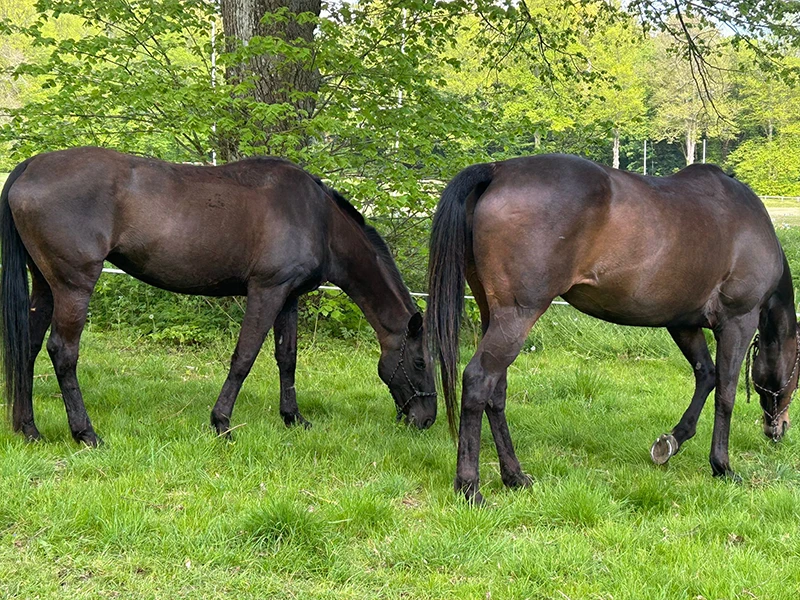
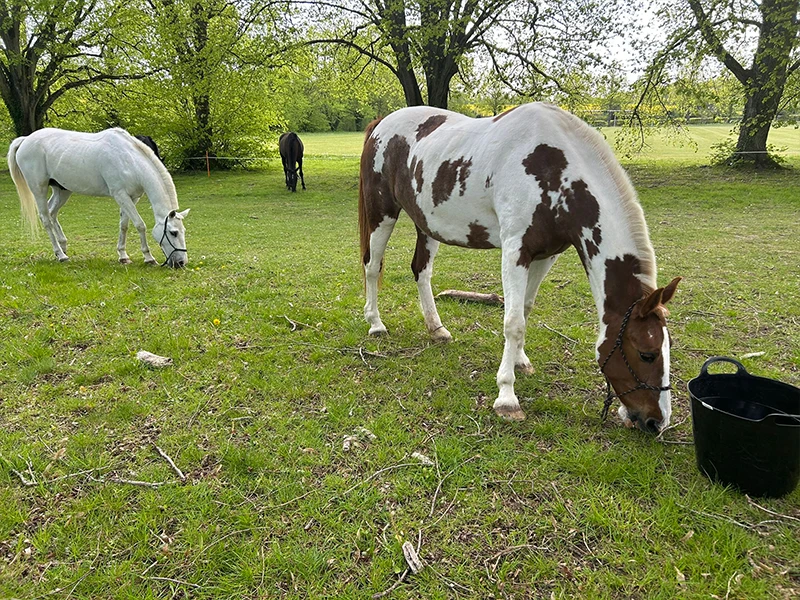
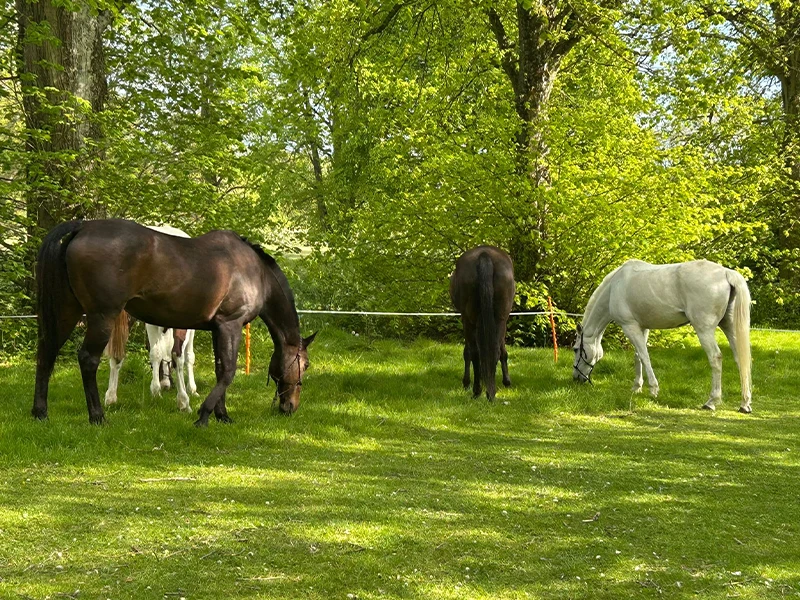
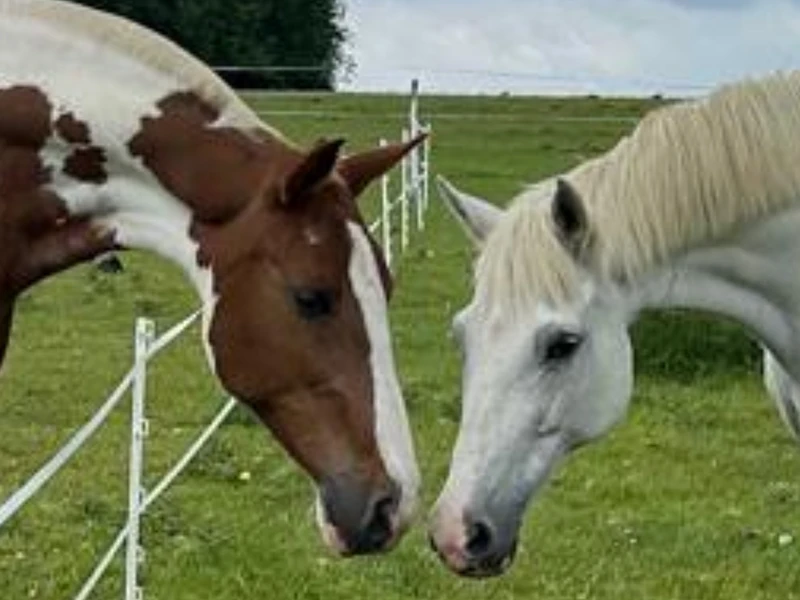
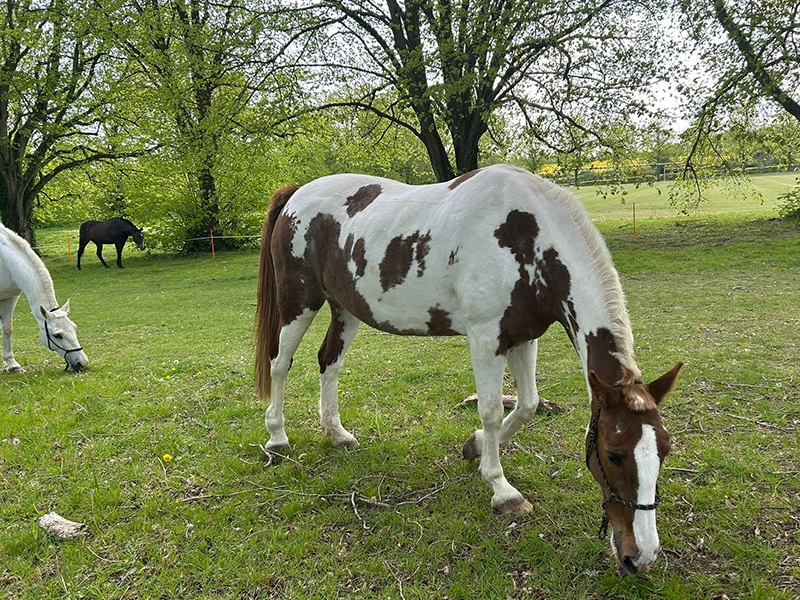
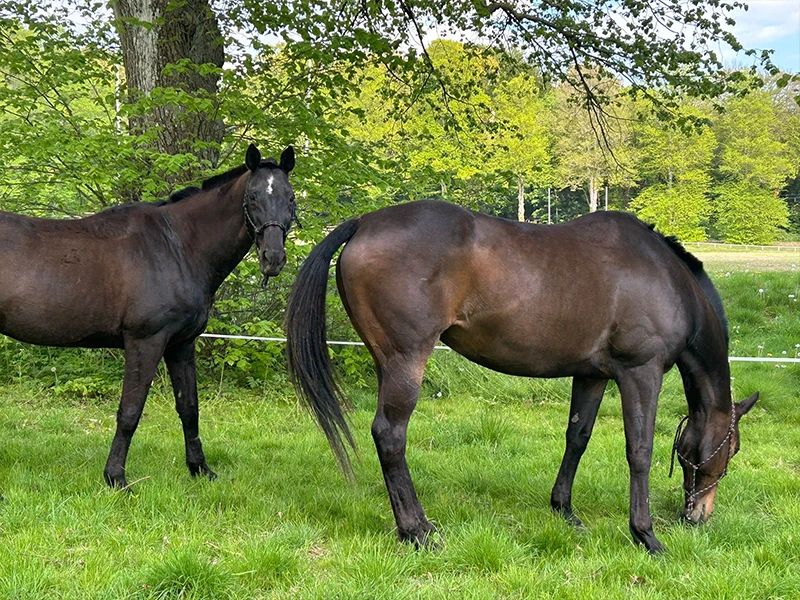
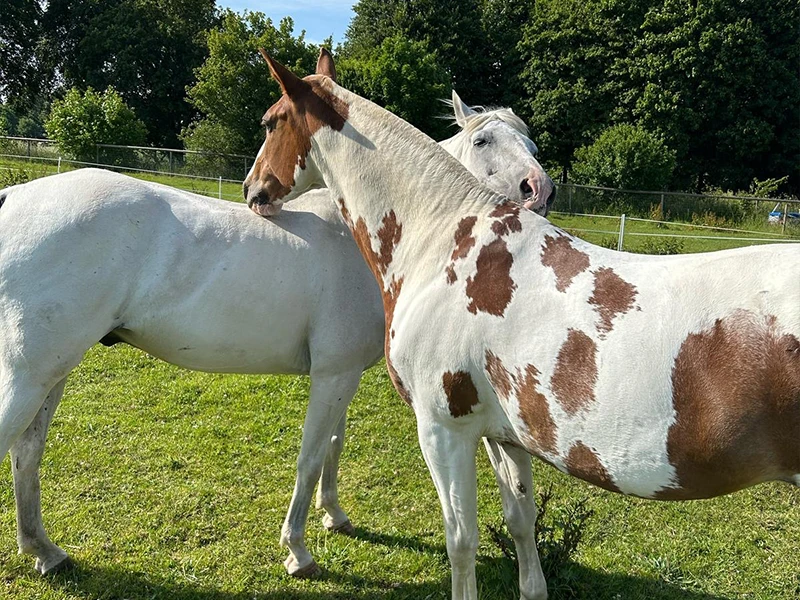
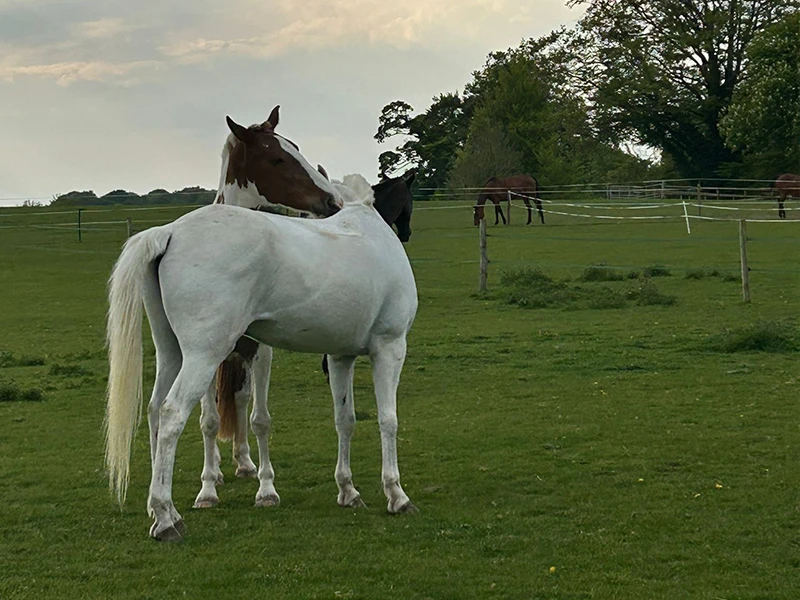
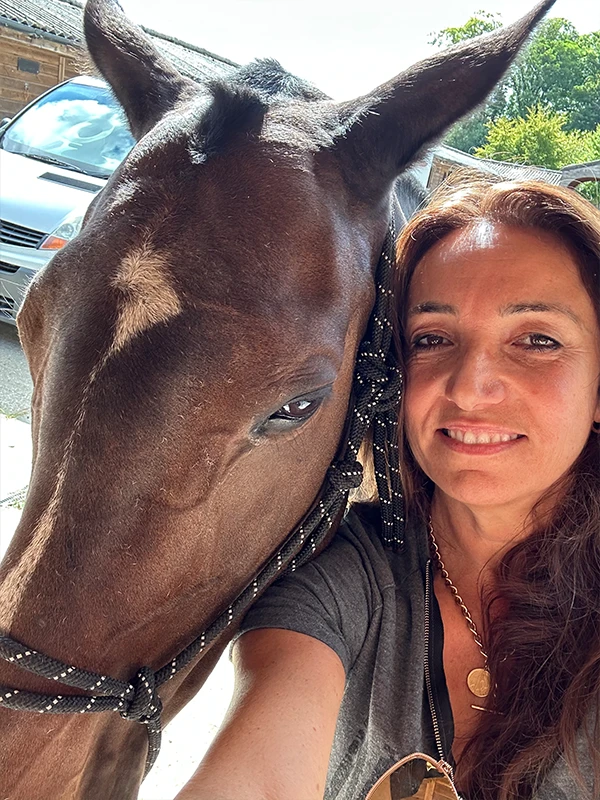
We’ve pulled together a selection of images, which should help give you an idea of our grounds, and more importantly to show you our beautiful horses! But if truly want to get an idea of their personalities, you’ll need to come and meet them!
About Us
We are Scott and Belinda!
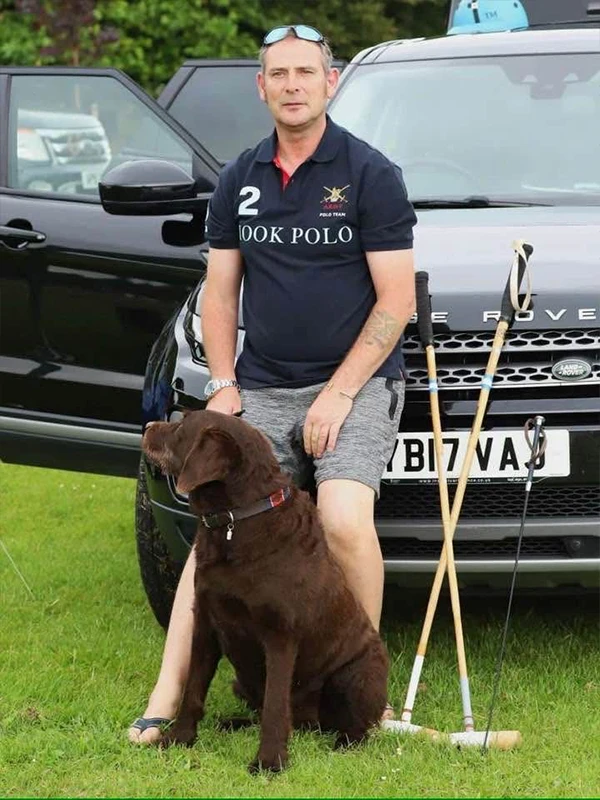
Scott has an extensive equine background from a very early age, and he’s an ex international show jumper. Scott is also a qualified BHS Instructor, and has ridden in the military for the Royal Horse Artillery.
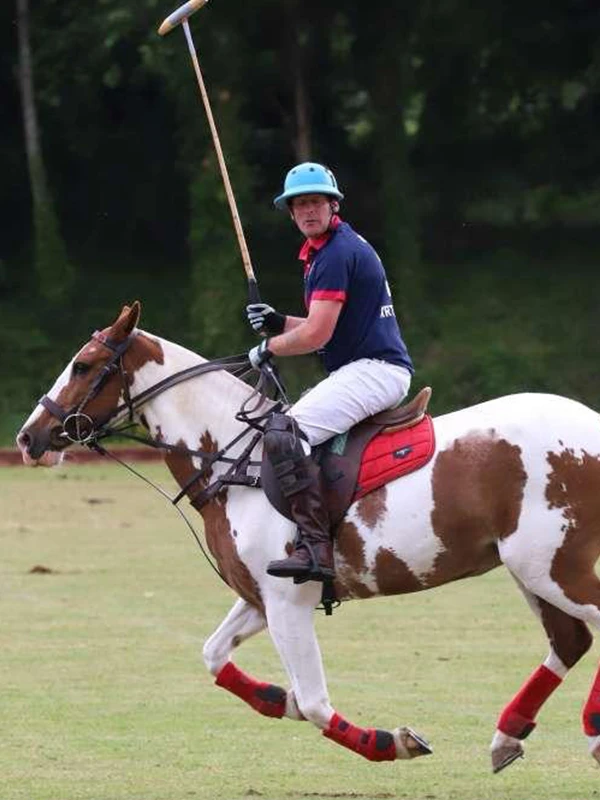
Scott has a strong military background in the army and continues to ride polo for the armed forces at Tidworth. Scott’s also a trained and qualified mental first aider for the armed forces.
Belinda has an extensive background in psychology and works as an occupational and educational psychologist.
She has been trained in extensive therapeutic approaches and is passionate about making a difference.
Belinda rides horses and owns 4 polo ponies with Scott, playing polo in the week and at weekends.
Get In Touch
Interested in finding out more about how equine-assisted therapy can help you? Get in touch today using the phone or email below, or using the contact form provided, and we’ll get back to you as soon as we can.
Email us and we will respond in 24 hours, unless on leave. Or use the phone numbers below.